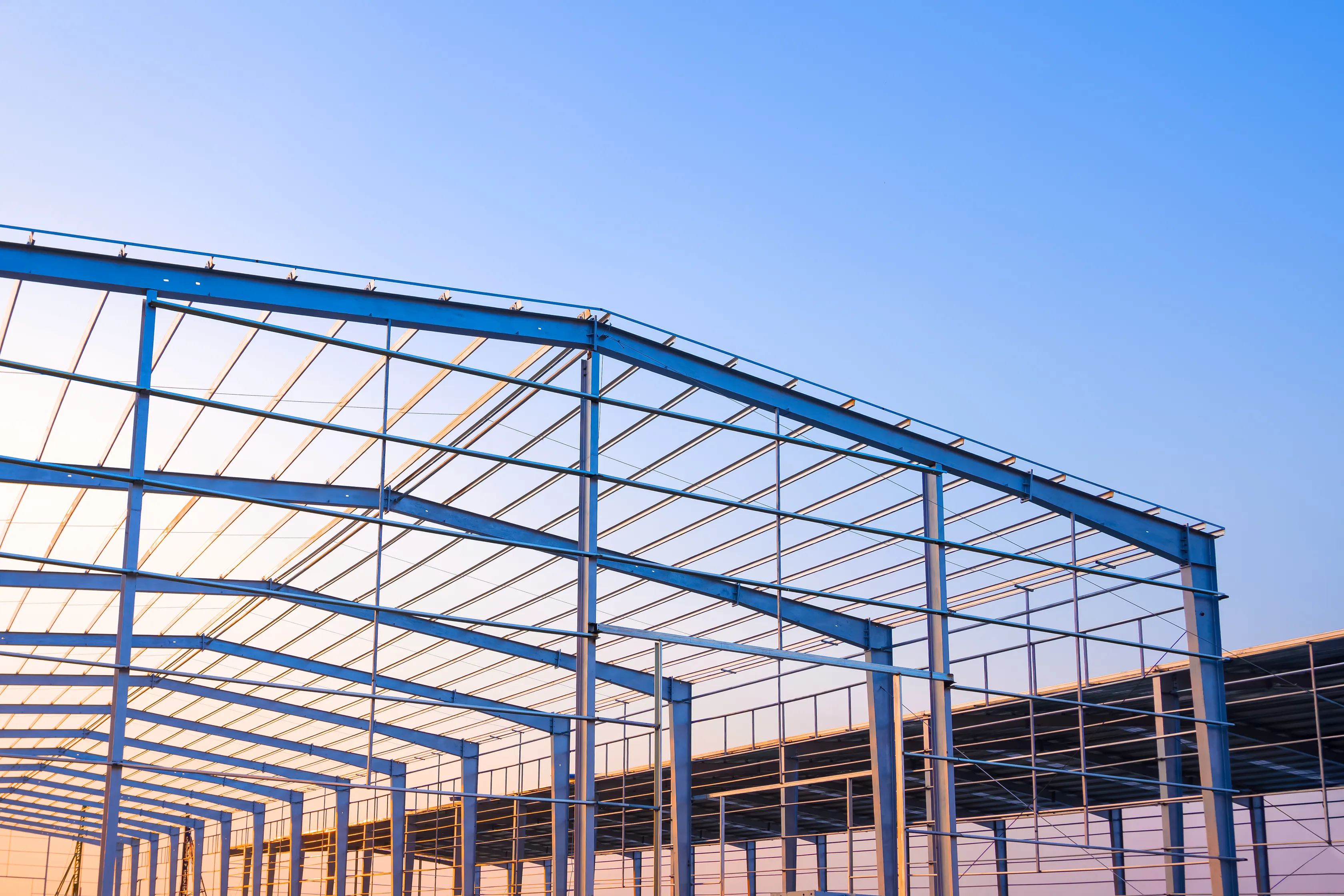
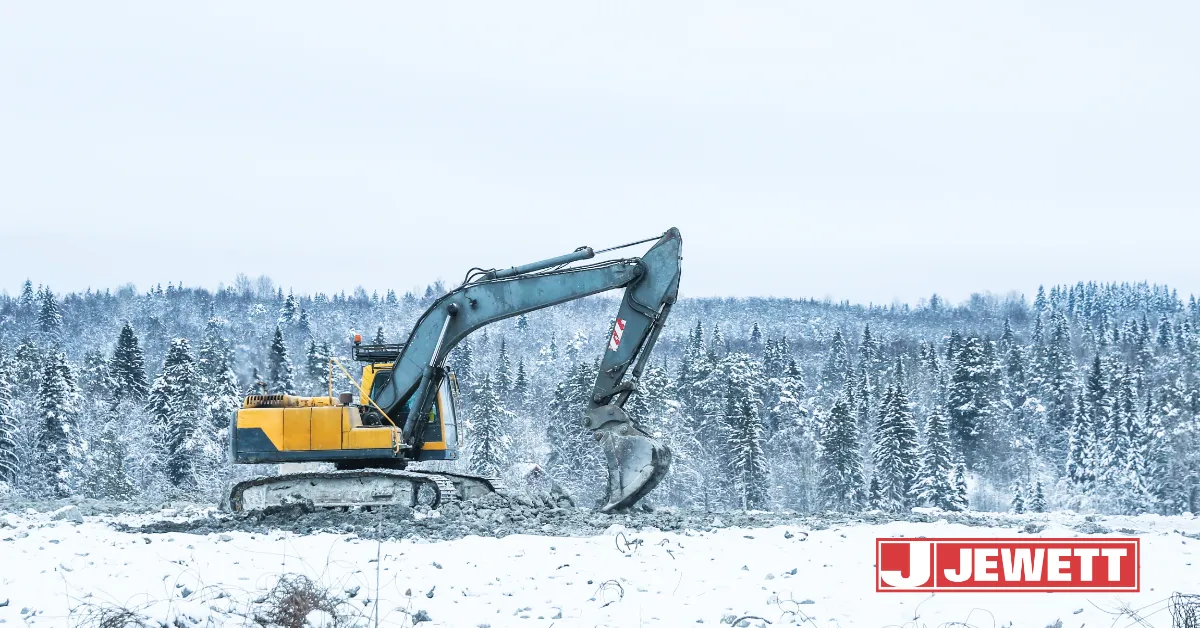
Winter construction is often associated with delays, increased costs, and heightened safety risks. Cold temperatures, snow, ice, and limited daylight can all impact productivity if they are not properly planned for, which is why many owners hesitate to build during the colder months. But from an owner’s perspective, winter can be a strategic advantage. With the right planning, experienced partners, and proactive safety and scheduling measures, winter construction can stay on track and set your project up for timely completion. Breaking ground in winter positions your facility or expansion to be ready when summer demand peaks, allowing your business to open its doors, increase capacity, and capture revenue exactly when opportunity is at its highest.
With the right preconstruction strategy and execution, winter conditions can be managed without sacrificing schedule, safety, or quality. The key is anticipating winter impacts early so owners are not surprised financially or operationally once temperatures drop.
How Cold Weather Impacts Commercial Construction
Winter affects nearly every phase of a commercial construction project. Understanding these challenges upfront allows teams to create realistic schedules and budgets that hold up throughout the season.
Key Areas Impacted by Winter Conditions
- Concrete placement and curing
Cold temperatures require heating, accelerators, and curing blankets to ensure proper strength and durability. - Sitework and excavation
Frozen ground limits excavation, trenching, and grading while creating additional drainage challenges. - Building enclosure and sequencing
Cold weather increases the importance of drying in the structure early to protect interior work. - Jobsite safety
Ice, snow, wind, reduced daylight, and equipment winterization increase safety risks for crews.
Planning for these factors early prevents reactive changes that often lead to schedule delays and cost overruns.
Best Practices to Protect Your Schedule and Budget in Winter
Plan for Winter Conditions During Preconstruction
Successful winter projects start with proactive planning. An experienced construction team evaluates local climate data, identifies weather-sensitive scopes of work, and builds winter allowances directly into the baseline schedule and budget.
This approach ensures winter impacts are expected and managed rather than treated as disruptions later in the project.
Prioritize Building Enclosure Early
One of the most effective strategies in winter construction is getting the building enclosed as early as possible. Early enclosure helps:
- Reduce exposure to temperature swings
- Allow interior trades to continue uninterrupted
- Limit heating costs and productivity losses
Proper sequencing during preconstruction makes this possible even in colder months.
Use the Right Materials and Cold-Weather Protection Methods
Winter construction requires specialized materials and protection strategies, including:
- Insulated curing blankets and temporary enclosures
- Heated water and accelerators for concrete placement
- Cold-weather rated materials and equipment
These measures allow work to continue safely and efficiently despite low temperatures.
Implement a Comprehensive Winter Safety Program
Jobsite safety becomes even more critical during winter months. A strong winter safety plan includes:
- Daily cold-weather safety briefings
- Slip and fall prevention measures
- Snow and ice removal procedures
- Equipment inspections and winterization protocols
Prioritizing safety protects crews while also preventing schedule disruptions caused by incidents or shutdowns.
Why Winter Construction Can Still Be a Smart Choice
When planned correctly, winter construction can offer strategic advantages rather than setbacks.
Potential Benefits of Building in Winter
- Increased subcontractor availability
- Faster mobilization and project start
- Ability to deliver projects ahead of peak seasonal demand
Owners who plan ahead can take advantage of winter months rather than waiting for spring and competing for resources.
Winter Construction Success Starts with Early Planning
Winter does not have to slow your project down. With proactive preconstruction planning, smart sequencing, and experienced execution, commercial construction projects can stay on schedule, on budget, and safe throughout cold-weather months.
The difference between delays and success is not the weather. It is preparation.

.png)
.png)
.png)