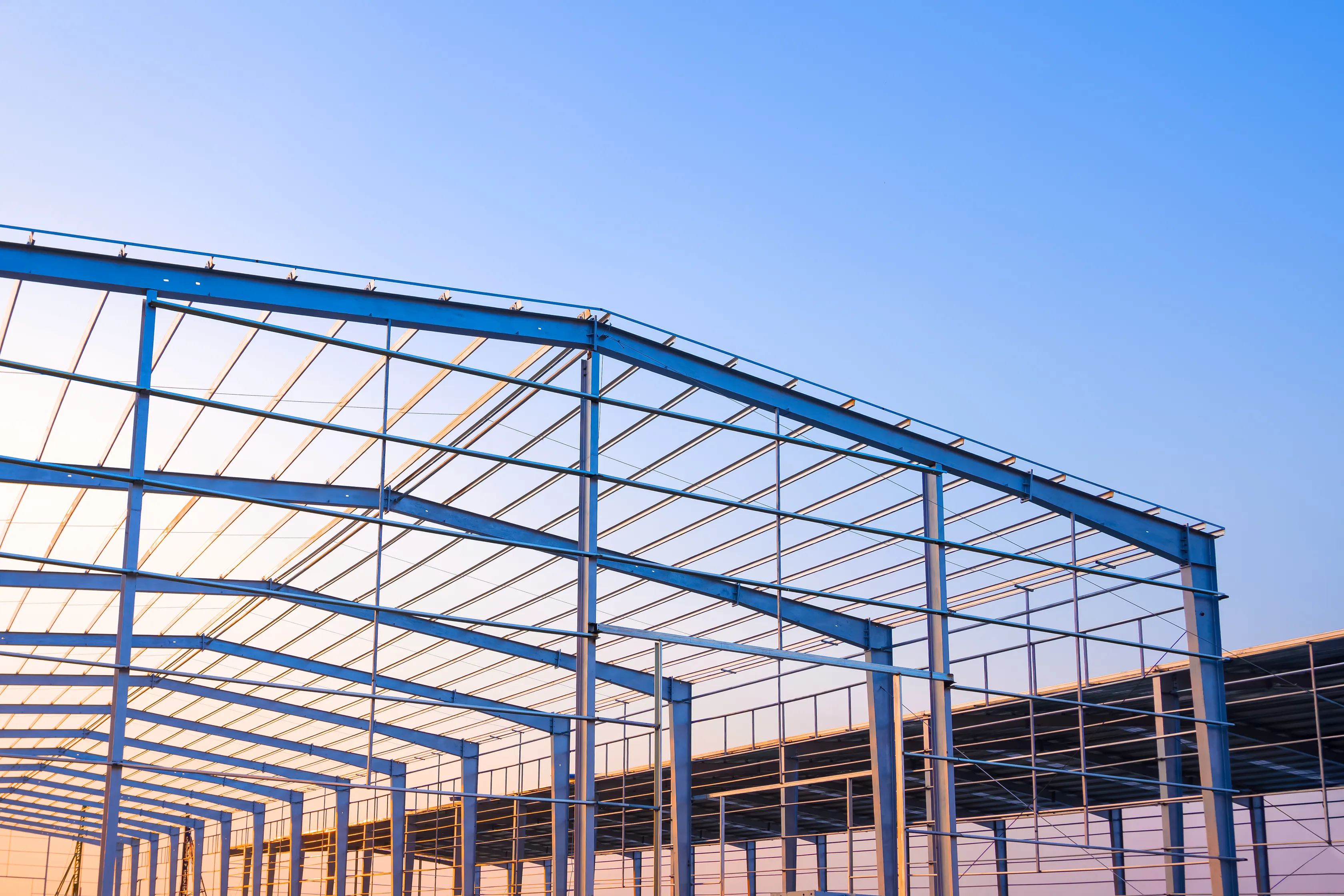
How a classic holiday tale reveals modern lessons for owners, developers, and project teams
Even the Grinch Can Teach Us a Few Things About Avoiding Project Risk
The holidays are a perfect time for reflection—and occasionally, a little playful inspiration. While the Grinch may not be a commercial builder, his questionable planning, lack of communication, and improvisational “strategy” offer surprisingly relevant lessons for anyone preparing to start a construction project in the new year.
In fact, the Grinch’s misadventures mirror some of the most common risks that disrupt commercial construction schedules, budgets, and outcomes. Here’s what his story can teach us about building smarter, safer, and with more predictability.
Lesson 1: Don’t Let Surprises Steal Your Schedule
Just as the Grinch underestimated the Whos, owners who skip or rush preconstruction often underestimate critical schedule risks—like long-lead procurement items, permitting delays, unforeseen site conditions, or supply-chain constraints.
Construction risk management begins long before mobilization.
Early planning, clear scope development, and a thorough preconstruction process help eliminate surprises and create a realistic, reliable project schedule. When owners, designers, and contractors align early, they build in the contingencies and strategies needed to keep projects moving—even when the unexpected shows up like an unwelcome holiday guest.
Lesson 2: Cutting Corners Rarely Ends Well
The Grinch tried plenty of shortcuts, and none of them worked out. In commercial construction, shortcuts almost always lead to the same outcome: quality issues, safety concerns, rework, warranty claims, and schedule overruns.
Choosing the lowest bid without evaluating qualifications or delivery method is often where risk begins.
Owners who hire experienced, integrated teams—and who value long-term performance over short-term savings—get stronger buildings, smoother construction phases, and fewer costly headaches.
Doing it right the first time isn’t just good practice. It’s risk mitigation.
Lesson 3: Collaboration Beats Isolation
When the Grinch worked alone, nothing went smoothly. But when he opened himself up to collaboration, everything improved.
The same is true in construction.
Successful projects depend on collaboration between the owner, architect, engineer, contractor, and subcontractors. Delivery models like Design-Build or CM at Risk thrive because they remove silos, accelerate decision-making, and create shared accountability.
A collaborative approach reduces change orders, clarifies expectations, and keeps communication flowing—preventing many of the risks that derail projects.
Lesson 4: A Bigger Heart Makes Better Decisions
At the end of the story, the Grinch discovers that leading with heart changes everything. In construction, a strong team culture—rooted in safety, communication, and trust—creates resilient project outcomes.
Teams who care not just about the project, but about the people involved, make better decisions, respond faster to challenges, and create safer job sites.
A team with heart reduces conflict, increases transparency, and ensures that everyone is rowing in the same direction.
In Construction, the Best Projects Aren’t Stolen—they’re Built With Trust
A little holiday humor goes a long way, but the message is real:
- Lower project risk
- Better cost predictability
- Stronger project outcomes
These come from early alignment, transparent communication, and choosing a contractor who acts as a partner—not just a builder.
As you plan your 2026 commercial construction initiatives, take a page from this festive tale. Avoid surprises. Skip the shortcuts. Choose collaboration. Build with heart.
Because even the Grinch can teach us that when teams work together, even the trickiest challenges can turn into something worth celebrating.

.png)
.png)
.png)