How Automotive Design-Build Expertise Protects Brand, Schedule, and ROI
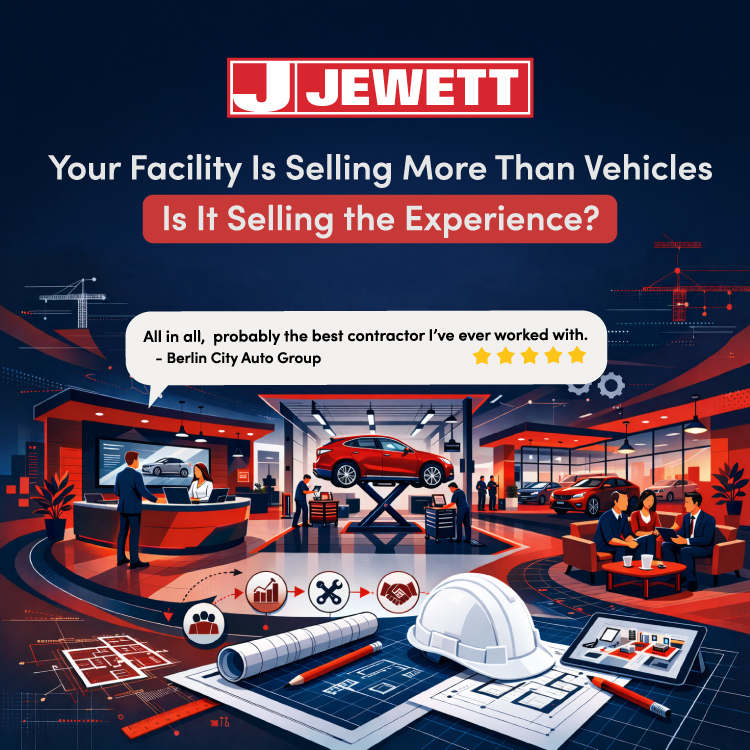
OEM brand standards are non-negotiable. They define the customer experience, reinforce brand identity, and ensure consistency across every dealership location. But for owners and operators, those same standards can quickly become one of the largest cost drivers in a construction project—especially when they’re applied without a deep understanding of how dealerships operate.
As an automotive-focused design-build construction firm, we’ve seen firsthand how projects succeed—or struggle—based on how well OEM requirements are balanced with budget, schedule, and real-world functionality. The difference isn’t cutting corners. It’s knowing where standards truly matter, where flexibility exists, and how to build smarter from the start.
Understanding What OEM Brand Standards Really Require
OEM brand standards typically cover everything from exterior architecture and signage to interior finishes, lighting, furniture, customer flow, and even back-of-house spaces. They’re designed to create a consistent brand experience for customers, whether they’re buying a vehicle or pulling into the service drive.
The challenge is that brand standards are often interpreted as rigid, all-or-nothing mandates. In reality, many standards allow for approved alternates, regional adjustments, or phased implementation—if they’re addressed early and presented correctly.
This is where automotive-specific design-build experience matters. Knowing how each OEM reviews submissions, what triggers red flags, and where past approvals have been granted can prevent unnecessary scope escalation before construction even begins.
Where Dealership Budgets Are Most at Risk
From our experience, budgets are most often strained in three key areas:
- Over-specification of materials that exceed both brand intent and functional need
- Late design changes driven by brand reviews that weren’t anticipated
- Redundant or inefficient layouts that meet standards on paper but hurt operations
Without a unified design-build team, these issues tend to surface late—after drawings are complete or permits are in hand—when changes are most expensive.
A design-build approach brings brand compliance, constructability, and cost modeling together from day one, allowing smarter decisions before dollars are committed.
Aligning Brand Standards With Real Dealership Operations
Meeting brand standards is only part of the equation. The facility also has to work—day in and day out—for sales teams, service advisors, technicians, and customers.
Automotive-focused design-build teams understand how to align brand intent with operational reality. That means designing service drives that meet OEM appearance standards while maintaining throughput or selecting finishes that look on-brand but hold up to high traffic and long-term use.
When brand standards and workflow are developed together, dealerships avoid expensive rework and future renovations caused by impractical layouts.
Managing OEM Reviews Without Costly Delays
OEM approval processes can impact both schedule and budget if they’re not managed proactively. Delays often occur when submittals lack clarity, miss required documentation, or fail to demonstrate how brand intent is being met.
An experienced design-build partner anticipates these reviews, coordinates directly with brand representatives, and prepares submittals that reduce back-and-forth. This keeps projects moving forward while protecting pricing and timelines.
In many cases, early collaboration with OEM reviewers allows design teams to propose cost-effective alternatives that still meet brand expectations—before construction pricing is locked in.
Phased Construction as a Budget-Smart Strategy
For active dealerships, phased construction can be a powerful tool for managing both cost and brand compliance. Rather than implementing every standard at once, design-build teams can help owners prioritize high-impact customer-facing elements first, while planning future phases that align with cash flow and operational needs.
This approach maintains brand consistency without forcing unnecessary shutdowns or overextending budgets.
The Value of Automotive Design-Build Expertise
Navigating OEM brand standards successfully isn’t about pushing back—it’s about understanding the intent behind them and executing efficiently. Automotive design-build firms bring a level of specialization that general contractors simply can’t replicate.
By integrating design, construction, budgeting, and brand compliance under one roof, dealerships gain:
- Fewer surprises during OEM reviews
- Better cost control from concept through completion
- Facilities that meet brand standards and perform operationally
- Faster timelines with less disruption to revenue
Building Brand-Compliant Dealerships That Perform
OEM brand standards will continue to evolve, just like the automotive industry itself. The key is partnering with a design-build team that understands not just how to meet those standards—but how to do so strategically.
When brand compliance, budget discipline, and dealership expertise are aligned from the start, owners don’t have to choose between meeting OEM expectations and protecting their investment. They can do both.

.png)
.png)
.png)